Articles

Material Guide – 42CrMo4 Alloy Steels
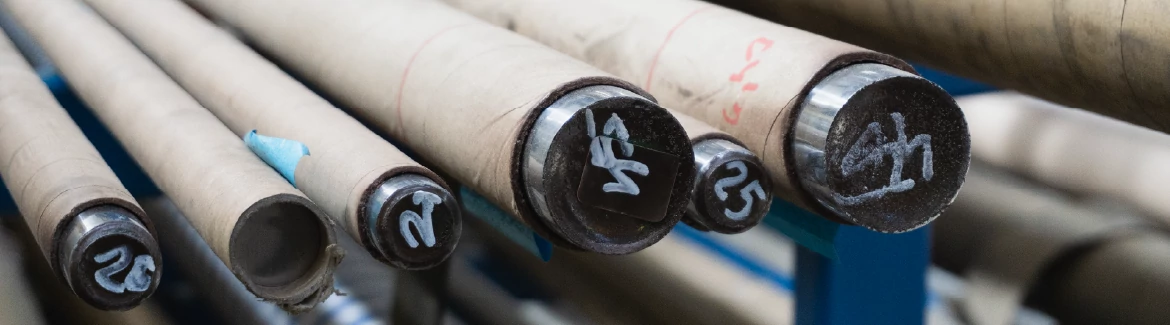
Material Guide – A Comprehensive Overview of 42CrMo4 Alloy Steels for Hydraulic and Pneumatic Applications
42CrMo4 is a high-grade, medium-alloy steel created by alloying with chromium (Cr) and molybdenum (Mo). Due to its special mechanical properties, it is primarily used for manufacturing components that require high strength, hardness, toughness, and fatigue resistance.
In hydraulic and pneumatic systems – especially for cylinder piston rods and other high-stress components – it is a crucial material, as it has excellent resistance to wear, corrosion, and dynamic loads.
In this material guide article, we will detail the standards and designations of 42CrMo4 steel (such as AISI 4140), its chemical composition, the mechanical properties resulting from various heat treatment states (+QT, +QT+IH), the importance of hard chrome plating, and its typical hydraulic and mechanical engineering application areas.
Table of Contents
Material Knowledge – 38MnVS6

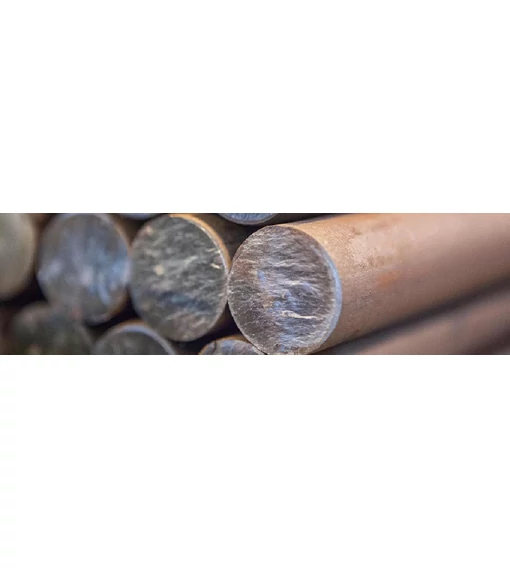
Material Knowledge – 38MnVS6: Strength and Precision in Hydraulics and Pneumatics
In hydraulic and pneumatic systems, rods and shafts are crucial components that must withstand extreme loads, friction, and often corrosive environments. In these applications, selecting the right material is essential to ensure durability and reliable operation. The 38MnVS6 steel grade, especially in its hardened and chromed form, offers an excellent solution for these demands.
In this material knowledge article, we will present the composition, mechanical properties of 38MnVS6 steel, the differences between hardened and non-hardened versions, and the advantages of the hard chrome-plated version in hydraulic and pneumatic applications.
Table of Contents

Material Science – 20MnV6 Hard Chrome Plated Round Steel Bars (EN 10083-3, W. Nr. 1.5217)
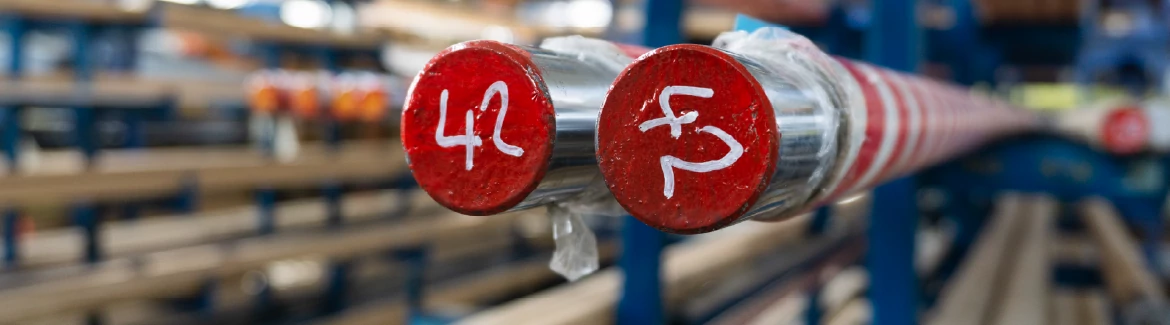
The Foundation of Precision and Durability in Hydraulics
The reliability of components in modern hydraulic systems and precision mechanics is crucial in the field of industrial hydraulics. High-stress parts, such as piston rods and bearing shafts, require exceptional wear resistance, corrosion resistance, and mechanical strength.
20MnV6 hard chrome plated round steel bars offer an optimal solution for these exact needs. This micro-alloyed steel (W. Nr. 1.5217), with its unique properties combined with a special hard chrome coating, guarantees the long service life and reliable operation of the components.
In this material science article, we will detail the chemical composition, mechanical properties, surface treatment details, typical applications, machinability, and sustainability aspects of 20MnV6 steel.
Table of Contents

Overview of Hydraulic Tubes and Rods
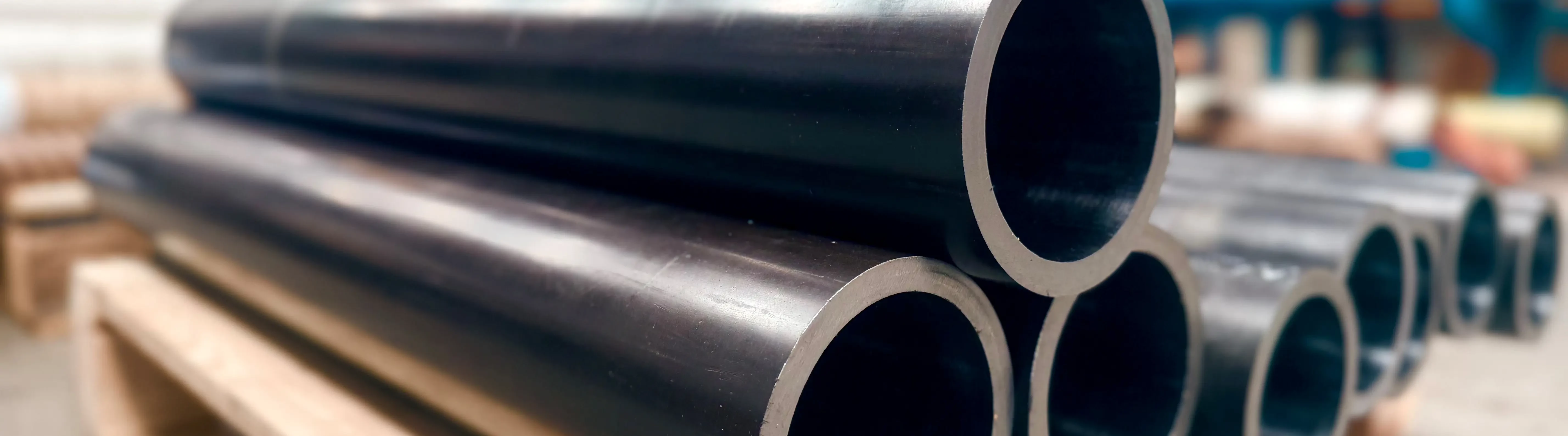
Hydraulic Steel Tubes, Chromed Rods and Tubes, Honed Tubes, and Hot-Rolled Seamless Steel Tubes
The reliability and lifespan of hydraulic systems (e.g., hydraulic cylinders, valve blocks, pipelines) significantly depend on the quality, material, and surface treatment of the tubes and rods. At Hidraulika Szaküzlet, our wide product range – including hydraulic steel tubes, seamless honed tubes, hard chrome-plated rods, and hot-rolled seamless steel tubes – is available with large stock and complies with various standards.
In this detailed article, we will introduce each main product type, their characteristics, and their applications.
Table of Contents
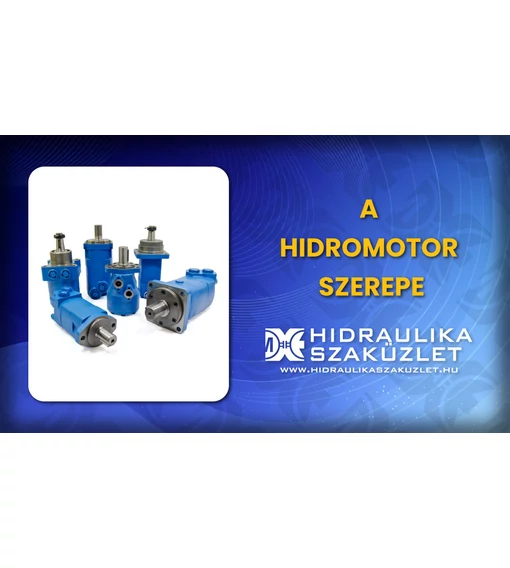
How Does a Hydraulic Motor Work?
A hydraulic motor is a type of hydraulic device that converts hydraulic energy into mechanical energy.
It is most commonly used to drive industrial machines, work equipment, conveyor belts, and lifting devices, as it is capable of converting the energy from fluid flow into rotational motion.
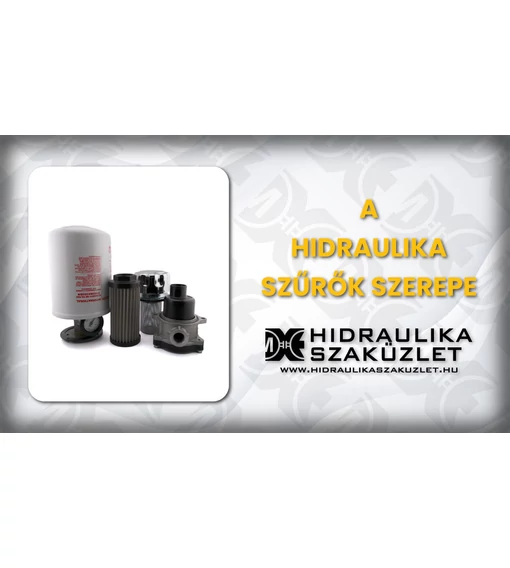
Filters in Hydraulic Systems
Filters play an extremely important role in various equipment and machines.
Their primary task is to ensure the proper functioning and long service life of the system.
They prevent contaminants from entering the machinery, reduce the degree of wear, and help maintain efficiency.
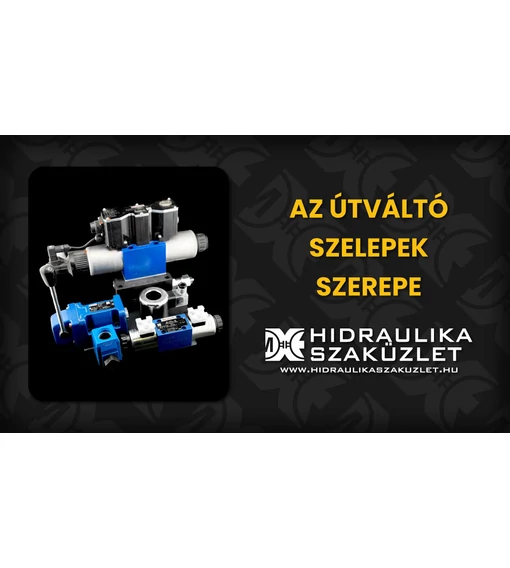
The Role of Directional Control Valves in Hydraulic Systems
Directional control valves are essential components in every hydraulic system.
Such devices are used in a wide range of industries, from construction and agriculture to machinery manufacturing.
They are needed wherever large forces must be transmitted or precise motion control must be achieved.
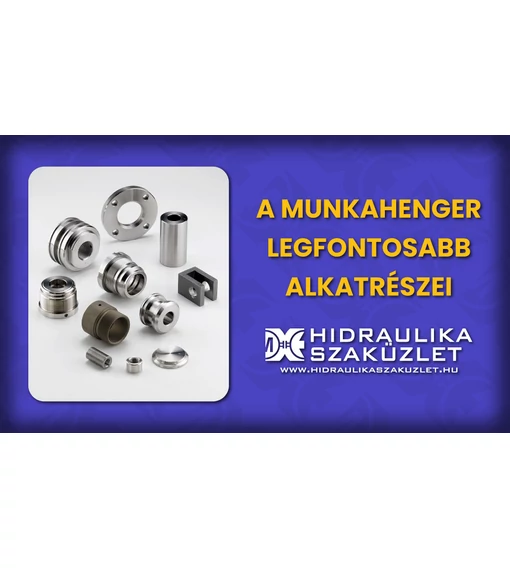
The Most Important Parts of the Hydraulic Cylinder
Hydraulic cylinder components play a key role in hydraulic and pneumatic systems.
They convert the energy of pressurized fluid or air into linear motion.
They are widely used in the machinery industry, construction, as well as in agricultural machinery and other fields.

What is the purpose of an O-ring?
The O-ring is an extremely important component in every hydraulic system, but it is also used in pneumatic equipment.
It is one of the most effective seals, regulating the flow of gases and liquids.
Its condition must be checked regularly, and if necessary, it should be replaced with a new one.

The Role of the Pressure Gauge in the Hydraulic System
The pressure gauge is a fundamental device in every hydraulic machine and equipment.
It is widely used in various industrial, agricultural, and other technical fields.
Its primary function is to detect and measure pressure in systems where monitoring the pressure of liquids or gases is essential.