Hydraulic accumulators
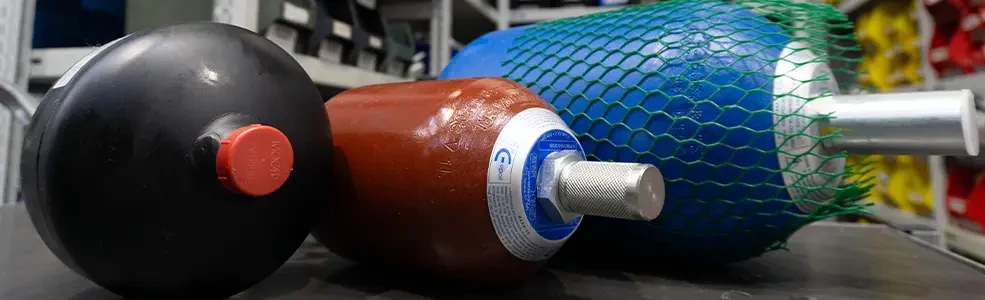
Hydraulic Accumulators: Energy, Damping, and Safety
A hydraulic accumulator is the "battery" of a hydraulic system: it stores energy in the form of pressurized fluid, which can be released into the system immediately when needed. It has two main tasks: increasing the system's energy efficiency (e.g., unloading the pump) and dampening harmful pressure spikes and pulsations (suspension). In the Hidraulika Store selection, you will find everything from complete units to the smallest parts needed for repair.
Our selection is grouped by application and maintenance:
-
Complete Hydraulic Accumulators: We offer the two most common types. Diaphragm accumulators are compact, have fast response times, and are ideal for shock absorption. Bladder accumulators are available in larger volumes, and their main advantage is that the rubber bladder inside is replaceable.
-
Parts and Repair: For refurbishing bladder accumulators, we provide essential replacement bladders, seal kits, and valve cores.
-
Safety and Installation: Hydraulic accumulators are hazardous pressure vessels, so safety valves and safety blocks for system isolation are essential for safe operation. Stable mounting can be achieved with special clamps and accumulator brackets.
-
Maintenance: We offer professional charging kits for checking the gas pre-charge of accumulators and refilling them with nitrogen.
Choose a reliable hydraulic accumulator to protect your system, or find the necessary part for maintenance!
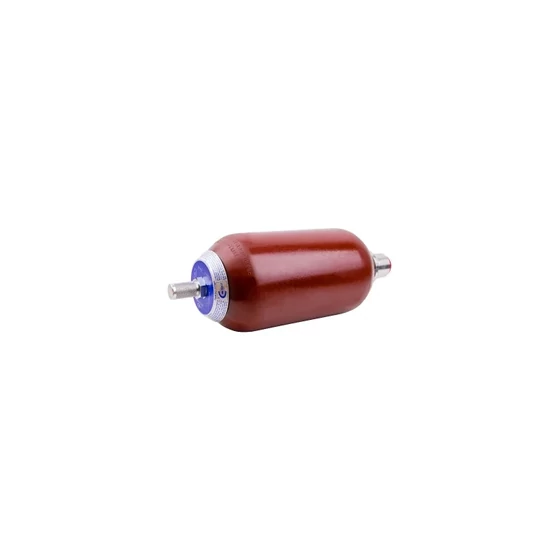
Hydroaccumulator - AS0,2P360CG4V-0-C0C0
Hydroaccumulator - SB400-0,5A1/112U-330A
Hydroaccumulator - AS1P360CA5V-0-C0C0/30
Hydroaccumulator - AS3P360CA7V-8-C0C0/30
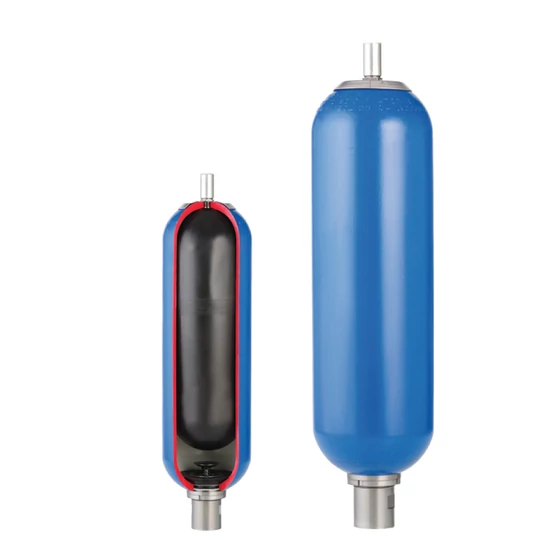
Hydroaccumulator - EHV 4-350/90-A25DC-200
Hydroaccumulator - SB330-4A1/112U-330A
Hydroaccumulator - AS5P360CA7V-8-C0C0/30
Hydroaccumulator - AS10P360CA9V-8-C0C0/30
Hydroaccumulator - AS15P360CA9V-8-C0C0/30
Hydroaccumulator - AS20P360CA9V-8-C0C0/30
Hydroaccumulator - AS35P360CA9V-8-C0C0/30
Hydroaccumulator - AS55P360CA9V-8-C0C0/30
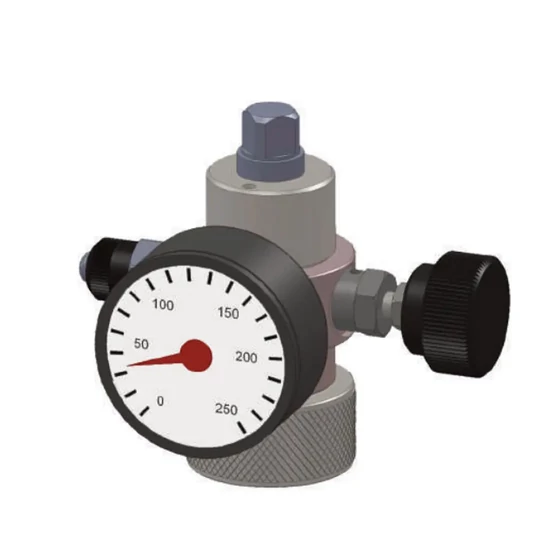
Hydroaccumulator charging kit - PC 250 S3
Hydroaccumulator charging kit - PCM 250 M3
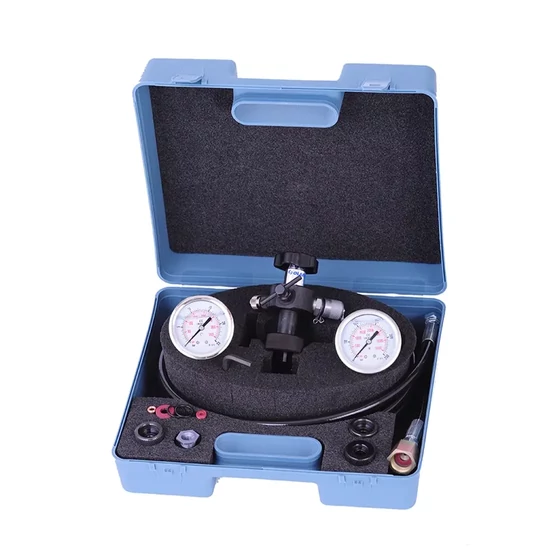
Hydroaccumulator charging kit - VGU/F.25/250.8.TS2.3
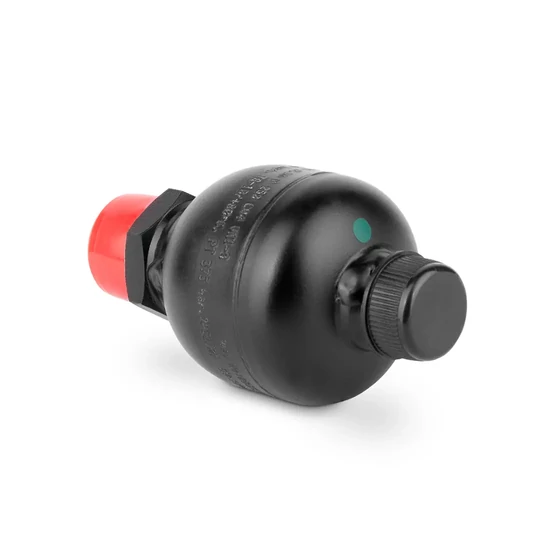
Hydroaccumulator - AMS0,16P250CW4VM-0/30
Hydroaccumulator - AMS0,32P210CW4VM-0/30
Hydroaccumulator - AMS0,32Y210CW4VM-0
Hydroaccumulator - AMS0,5P210CW4VM-0/30
Hydroaccumulator - ELM 0.5-210/85/AF
Hydroaccumulator - SBO210-0,5E1/112U-210AK
Hydroaccumulator - AMS0,75P210CW4VM-0/30
Hydroaccumulator - ELM 0.75-210/85/AF
Hydroaccumulator - SBO210-0,75E1/112U-210AB
Hydroaccumulator - SBO210-0,75E1/112U-210AK
Hydroaccumulator - AMS1,4P210CW4VM-0/30
Hydroaccumulator - AMS1P250CW4VM-0/30
Hydroaccumulator - ELM 1-210/90
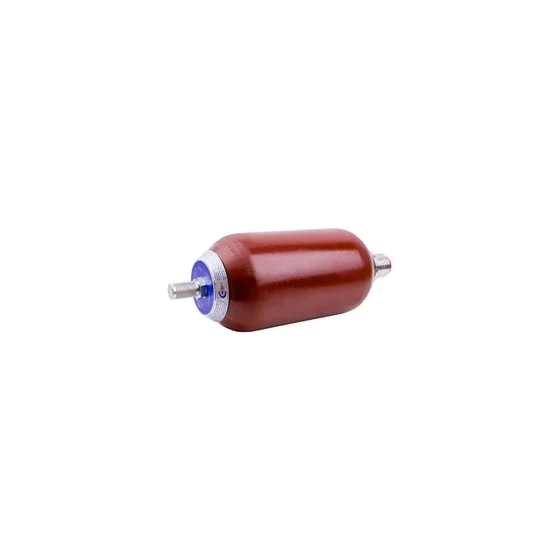
Hydroaccumulator - ELM 2.8-250/90
Hydroaccumulator - AMS2P210CW4VM-0/30
Hydroaccumulator - ELM 2-250/88/AF
Hydroaccumulator - AMS3,5P250CG5VM-8/30
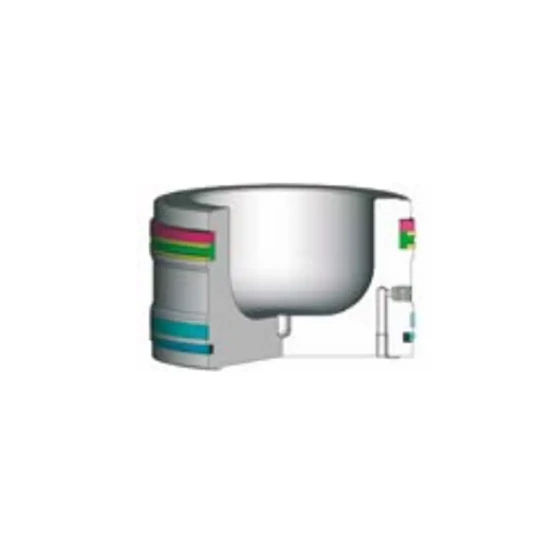
Hydroaccumulator seal kit - AK.25
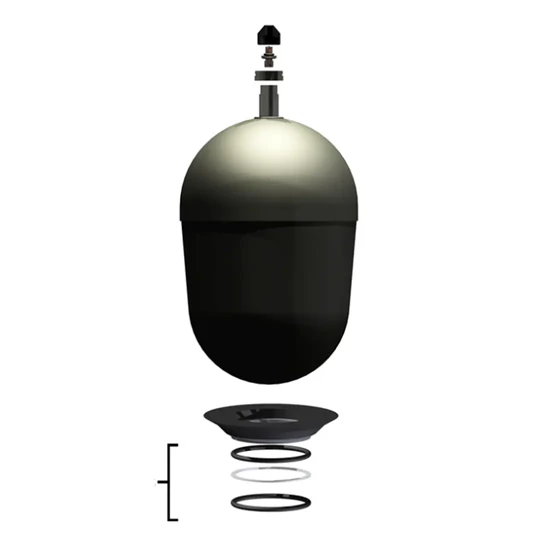
Hydroaccumulator seal kit - EHV 04/06/10L
Hydroaccumulator seal kit - EHV 10/50L
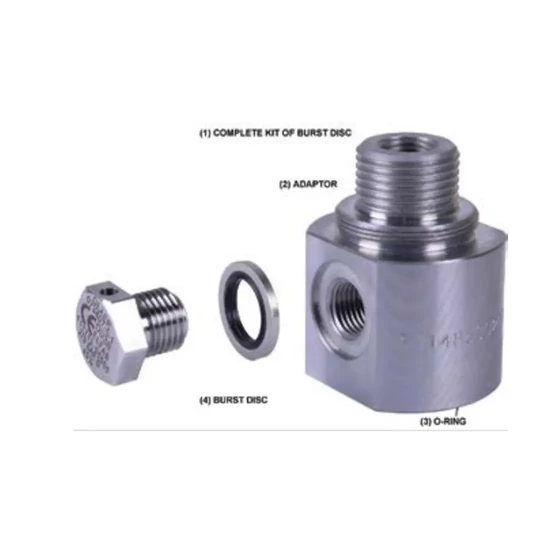
Hydroaccumulator burst disk - ELFAB 073152-1-1 300bar
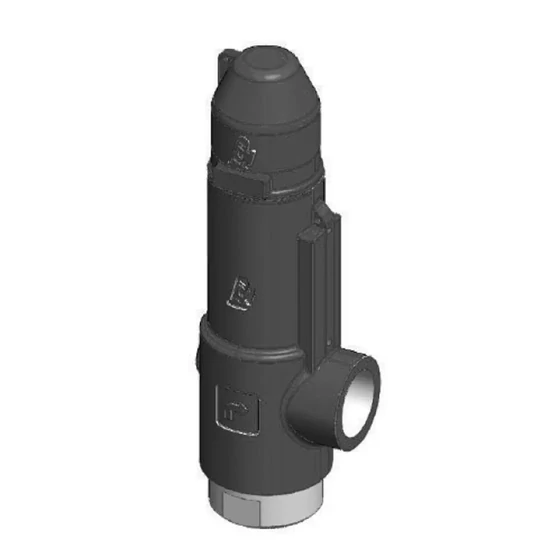
Hydroaccumulator safety valve - VS214/220 - 3/4" in - 1" out
Hydroaccumulator safety valve - VS214/250 - 3/4" in - 1" out
Hydroaccumulator safety valve - VS214/315 - 3/4" in - 1" out
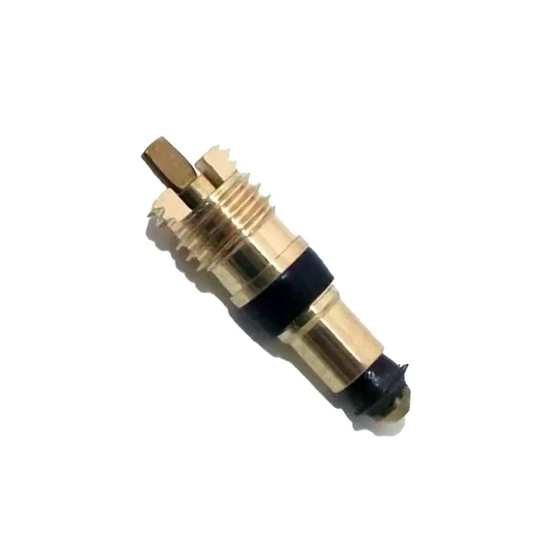
Hydroaccumulator gas valve insert - Hydac
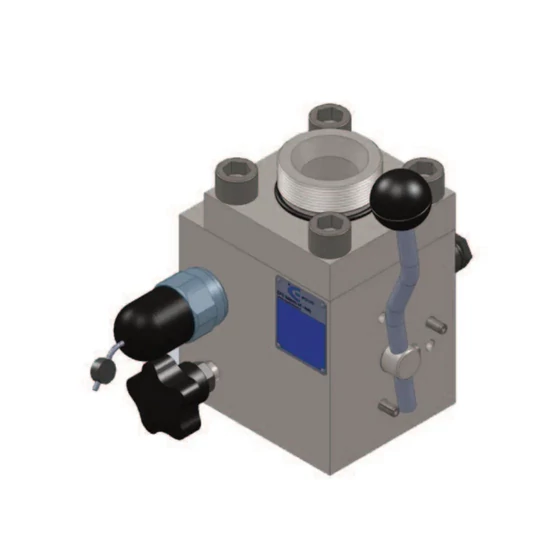
Hydroaccumulator safety block - BS10MP315A7G4-CP1
Hydroaccumulator safety block - BS20EP315A9G5-CP24D-O-15
Hydroaccumulator safety block - BS20MP315A9G5-CP15
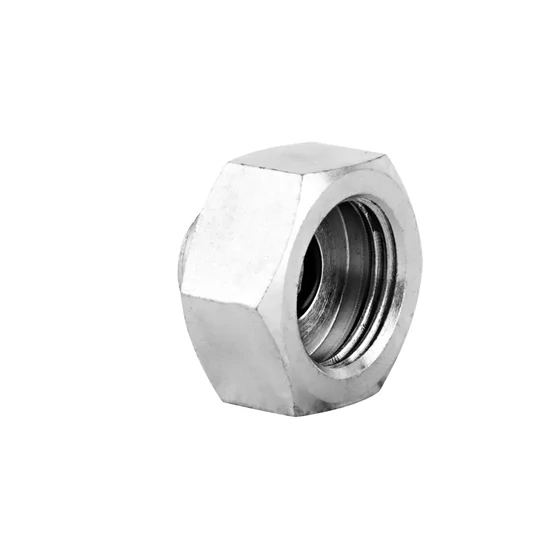
Hydroaccumulator adapter - 5/8" - 7/8" - B2511
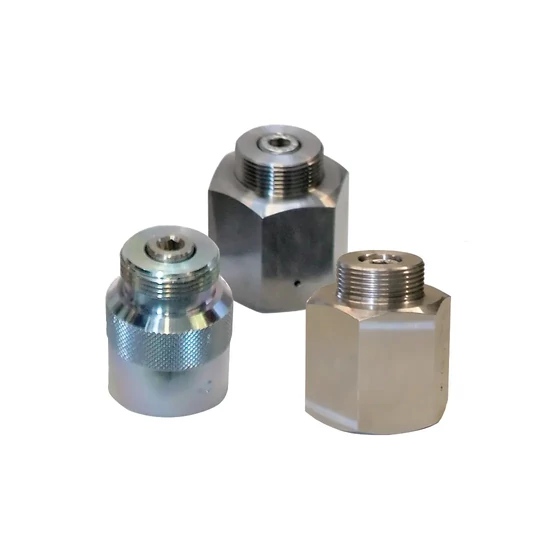
Hydroaccumulator adapter - Hydac - A2 - 5/8”-18 UNF (EPE)
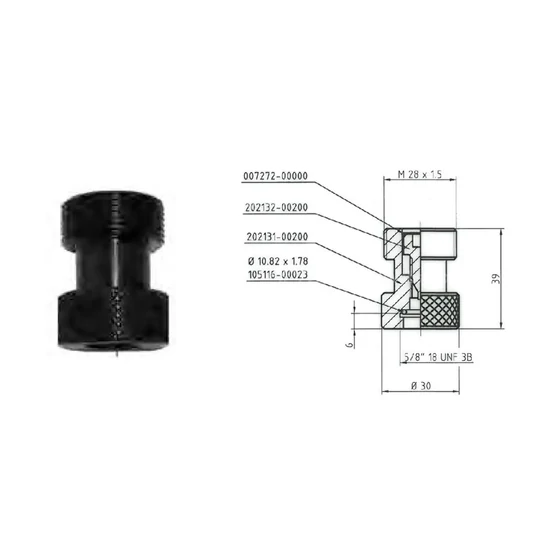
Hydroaccumulator adapter - 5/8” - 18 UNF - 20213000223
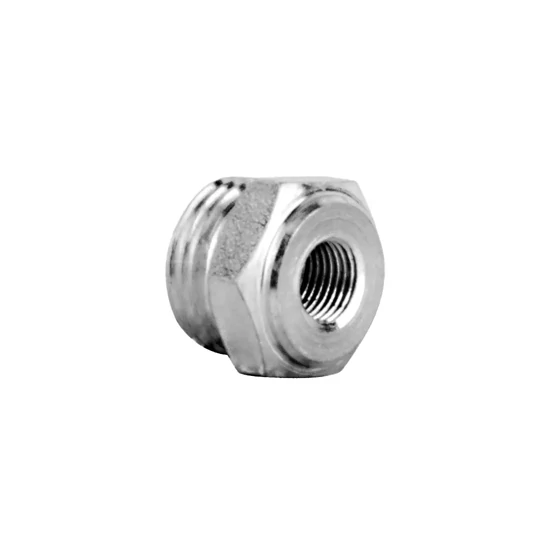
Hydroaccumulator adapter - 5/8" - VG8 - B2513

Hydroaccumulator adapter - Hydac - A3 - 7/8”-14 UNF (Hydac)
Hydroaccumulator adapter - Hydac - A4 - 7/8”-14 UNF (Parker)
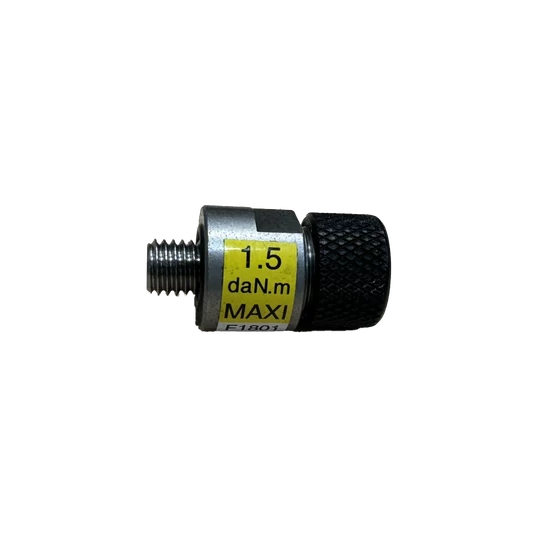
Hydroaccumulator adapter - Olaer M10×1,5 - 10847901626
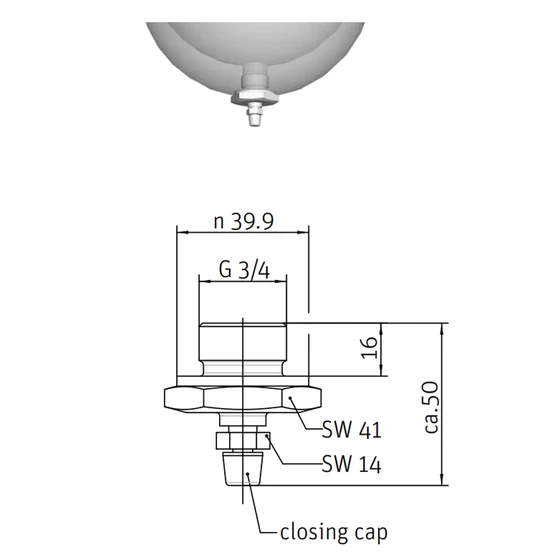
Hydroaccumulator vent plug - 4204029282
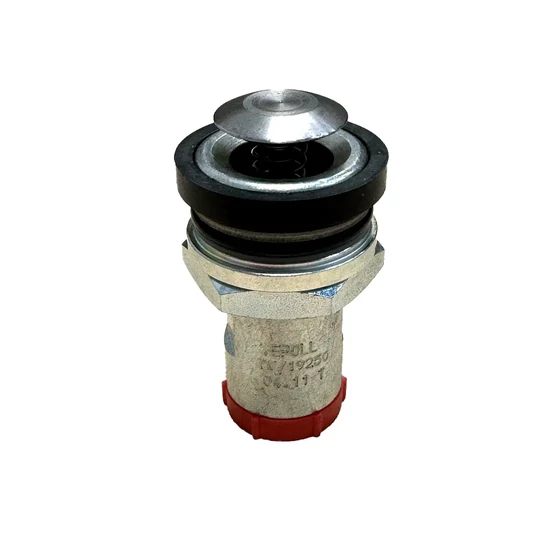
Hydroaccumulator adapter - V2004-G4-CP
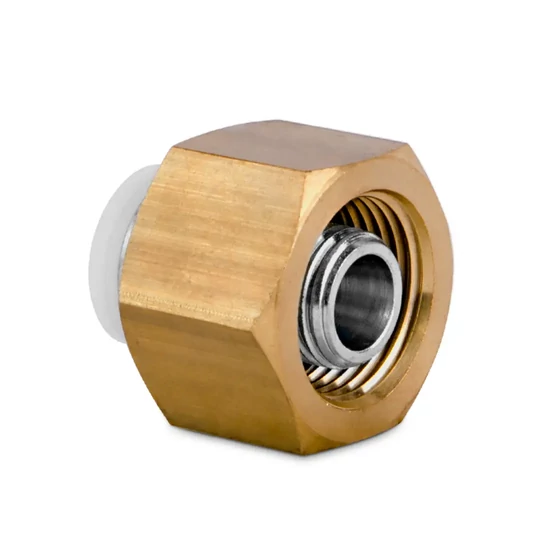
Hydroaccumulator adapter - W24,32 x 1/14"
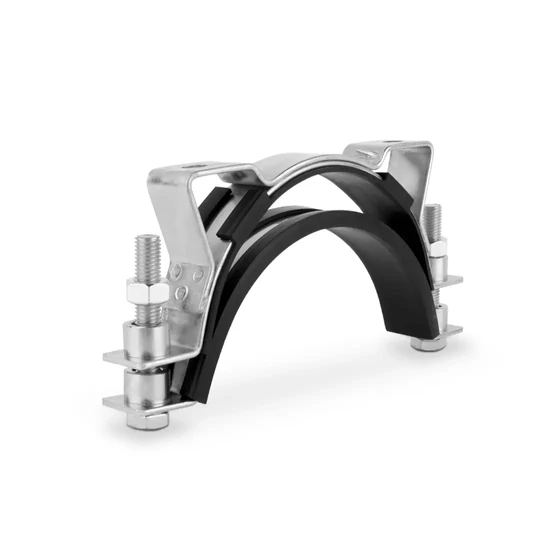
Hydroaccumulator clamp - C115-CP
Hydroaccumulator clamp - C170-CP
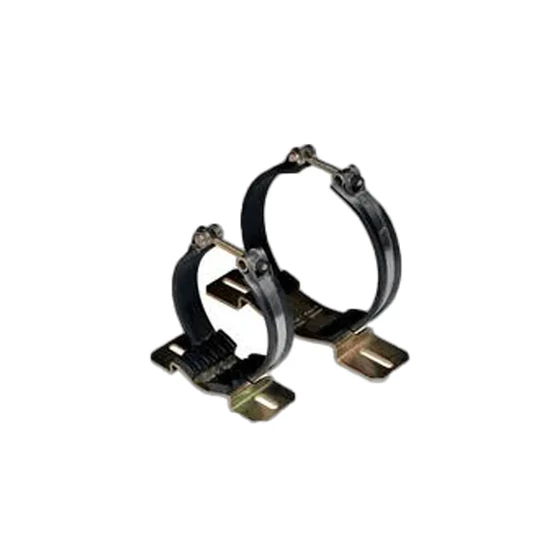
Hydroaccumulator clamp - HyRac 167-175/178 H5 ST
Hydroaccumulator clamp - C220-CP
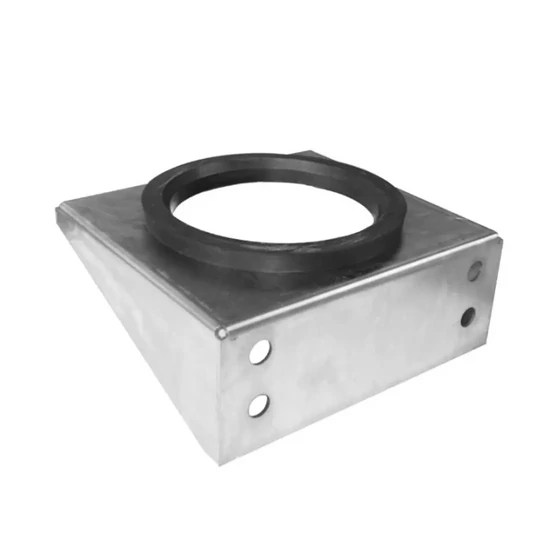
Hydroaccumulator bracket - MA100-CP
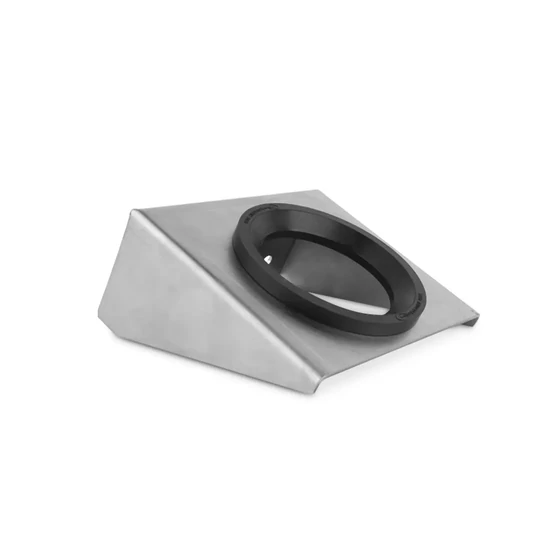
Hydroaccumulator bracket - MA150-CP
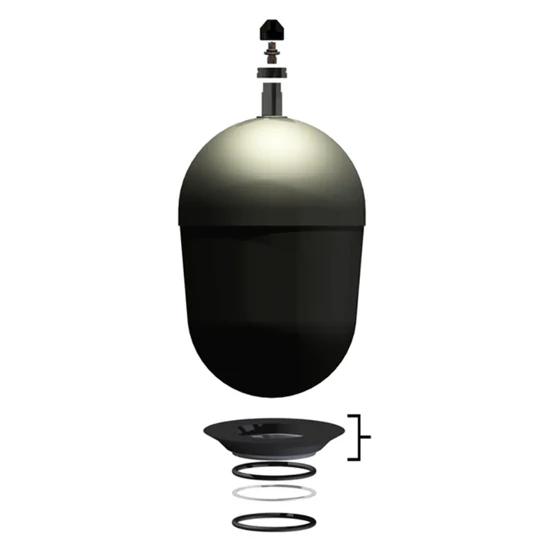
Hydroaccumulator split ring - EHV 04/06L
Hydroaccumulator split ring - EHV 10/50L
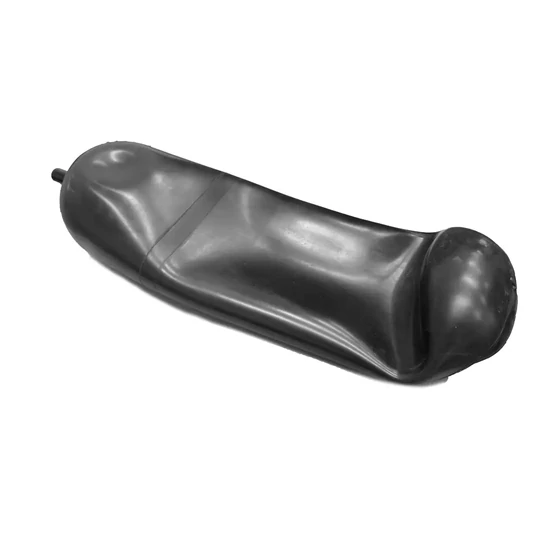
Hydroaccumulator bladder - S0,2P-C5/8V
Hydroaccumulator bladder - S3P-C22V
Hydroaccumulator bladder - KIT EHV 4-350 DIA22 VALVE B
Hydroaccumulator bladder - KIT EHV 4-350 DIA22 VALVE C
Hydroaccumulator bladder - S5P-C22V
Hydroaccumulator bladder - S10P-C50V
Hydroaccumulator bladder - KIT EHV 10-330 DIA22 VALVE C
Hydroaccumulator bladder - S15P-C50V
Hydroaccumulator bladder - S20P-C50V
Hydroaccumulator bladder - KIT EHV 20-330 DIA22 VALVE C
Hydroaccumulator bladder - KIT EHV 20-250/330 D50 VALVE A
Hydroaccumulator bladder - 20L V7/8-14UNF VG5/NBR20
Hydroaccumulator bladder - 24L NBR d-22mm
Hydroaccumulator bladder - S25P-C50V
Hydroaccumulator bladder - 32L V7/8-14UNF VG5/NBR20
Hydroaccumulator bladder - S55P-C50V
Hydraulic Accumulators: Energy Reserves for Hydraulic Systems
What is a Hydraulic Accumulator Used For?
A hydraulic accumulator is a pressure vessel designed to store hydraulic energy. It works based on the compressibility of gas (typically nitrogen). When pressure rises in the system, oil flows into the accumulator, compressing the gas. When pressure drops, the gas expands and pushes the oil back into the system.
The "Hydraulic Accumulators" category at Hidraulika Store offers solutions for the three most important functions:
-
Energy Storage: Acts as an emergency power source (e.g., during power failure) or assists the pump during peak demand.
-
Shock Absorption: Dampens "water hammer" (pressure spikes) caused by rapidly closing valves or cylinders, protecting pipes and seals.
-
Suspension: Absorbs vibrations in mobile machinery (e.g., the boom of a front loader), ensuring smoother operation and longer machine life.
Types: Bladder and Diaphragm Accumulators
The most important factors in selection are capacity and response time.
-
Bladder Accumulators: In these, a replaceable rubber bladder separates the gas from the oil. Available in larger volumes (up to 50 liters), they are robust and less sensitive to contamination. Their major advantage is repairability: if the bladder fails, you don't need to discard the whole vessel, just replace the bladder. Our standout product is the reliable Hydraulic Accumulator - Bladder Type - 10 Liter - AS 360 - EPE, known for its excellent value and universal applicability.
-
Diaphragm Accumulators: Smaller in size, utilizing a fixed diaphragm for separation. Due to their extremely fast response time, they are excellent for dampening pressure spikes and protecting sensitive instruments. They are non-repairable; if they fail, they must be replaced.
Explore our full hydraulic accumulator selection to find the size and type that fits your system!
Safety and Installation: Safety Blocks and Mounting
Since these devices store high-pressure gas, safety is critical. It is recommended (and often mandatory) to use a safety valve or a complete safety block for every installation. The safety block allows for the safe discharge and isolation of the accumulator from the system during maintenance. For physical mounting, we offer clamps and accumulator brackets with vibration-damping inserts to prevent the vessel from coming loose.
Maintenance and Charging
The soul of a hydraulic accumulator is the nitrogen pre-charge pressure (p0). If the gas escapes, the accumulator loses its function, and the bladder/diaphragm can be damaged. A universal charging kit is essential for regular checks and recharging.
Why Choose Hidraulika Store?
We stock the most common EPE, Parker, and Hydac compatible parts. Our experts help not only in selecting a new unit but also advise on setting the correct nitrogen pre-charge pressure, which is the secret to long service life. Discover our full range of services and products on the hidraulikastore.com homepage!
Frequently Asked Questions
-
Can I fill the accumulator with air? FORBIDDEN and DANGEROUS! Strictly fill only with pure nitrogen (or other inert gas). Compressed air contains oxygen, which, when mixed with oil mist under pressure, can cause an explosion (diesel effect).
-
What pressure should the accumulator be charged to? This depends on the application. For energy storage, it is generally 90% of the minimum operating pressure; for shock absorption, 60-80% of the system operating pressure is recommended. Always refer to the machine's manual or hydraulic schematic.
-
How do I know if the bladder is ruptured? If the system feels "hard," jerks, suspension is lost, or oil flows out of the gas side through the charging valve, the bladder or diaphragm is certainly damaged.