By using our website, you consent to the use of cookies in accordance with our Cookie Policy.

English

Hungarian
English
Our Products

Material Guide – 42CrMo4 Alloy Steels

Material Guide – 42CrMo4 Alloy Steels
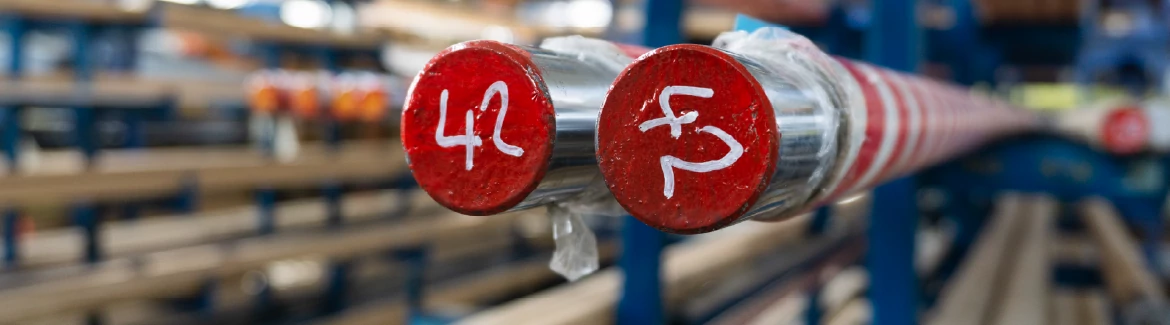
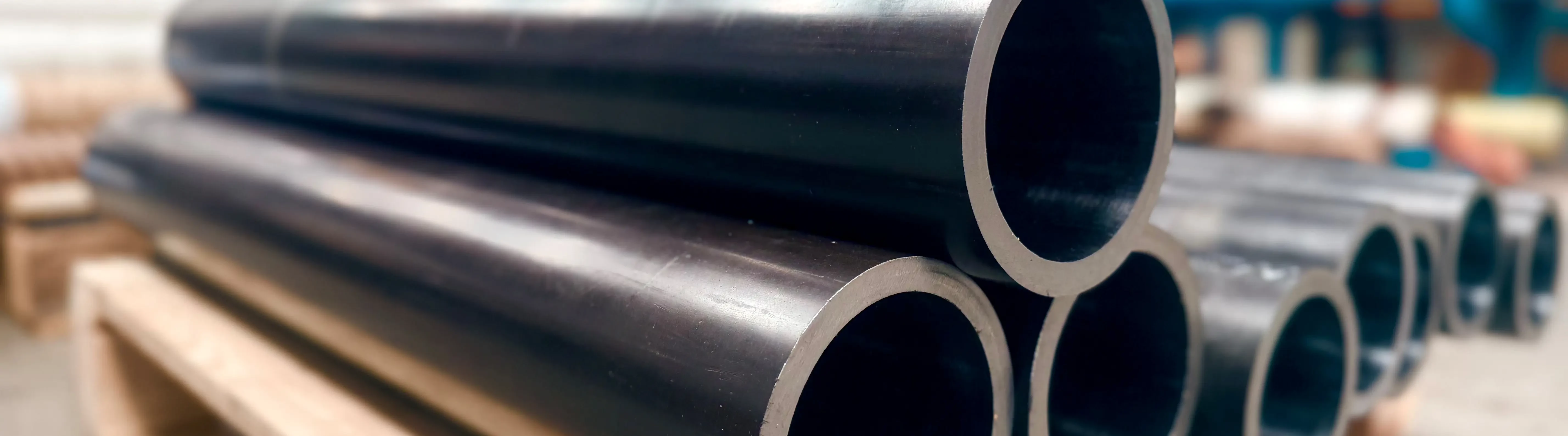
Hero image for the article presenting 42CrMo4 round steel bars

Material Guide – A Comprehensive Overview of 42CrMo4 Alloy Steels for Hydraulic and Pneumatic Applications

42CrMo4 is a high-grade, medium-alloy steel created by alloying with chromium (Cr) and molybdenum (Mo). Due to its special mechanical properties, it is primarily used for manufacturing components that require high strength, hardness, toughness, and fatigue resistance.

In hydraulic and pneumatic systems – especially for cylinder piston rods and other high-stress components – it is a crucial material, as it has excellent resistance to wear, corrosion, and dynamic loads.

In this material guide article, we will detail the standards and designations of 42CrMo4 steel (such as AISI 4140), its chemical composition, the mechanical properties resulting from various heat treatment states (+QT, +QT+IH), the importance of hard chrome plating, and its typical hydraulic and mechanical engineering application areas.

Table of Contents

1. Standards and Designations

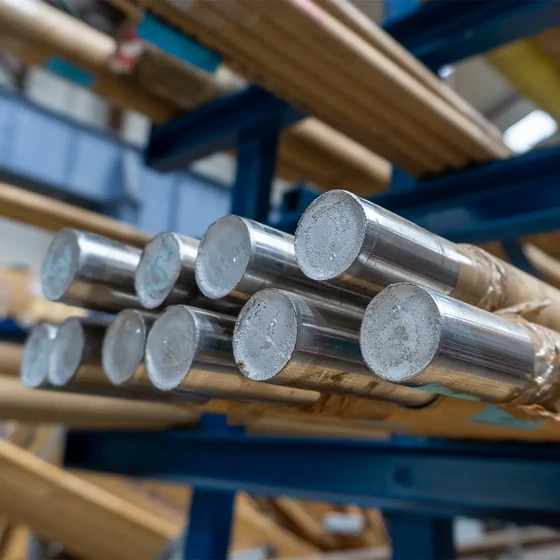
Image of 42CrMo4 round steel

The properties and delivery conditions of 42CrMo4 steel are regulated by several international standards, ensuring consistency and reliability of the material quality.

  • EN 10083-3 (42CrMo4): This European standard specifies the technical delivery conditions for heat-treatable alloy steels. It details the chemical composition and mechanical properties of 42CrMo4 in various heat-treated states. In the designation, "42" refers to the approximate carbon content (0.42%), "CrMo" to the chromium and molybdenum alloying, and "4" to the chromium content (approx. 1%).

  • EN 10277: This standard applies to the technical delivery conditions for bright steel products, which is relevant for precision bars (e.g., f7 tolerance).

  • DIN EN 10204:2005-01 – 3.1 Inspection Certificate (Inspection Certificate 3.1): This standard specifies the types of inspection documents for metallic products. The 3.1 type certificate (manufacturer's inspection certificate) contains the results of the manufacturer's own tests and formally certifies the product's compliance with the order requirements. This certificate ensures the full traceability of the material.

  • AISI / SAE 4140: This is the American identifier for the European equivalent 42CrMo4. Their chemical compositions and areas of application are very similar.

  • ISO 9227 NSS (Neutral Salt Spray test): This international standard describes the neutral salt spray corrosion test, which aims to assess the corrosion resistance of materials.

2. Chemical Composition and the Role of Elements

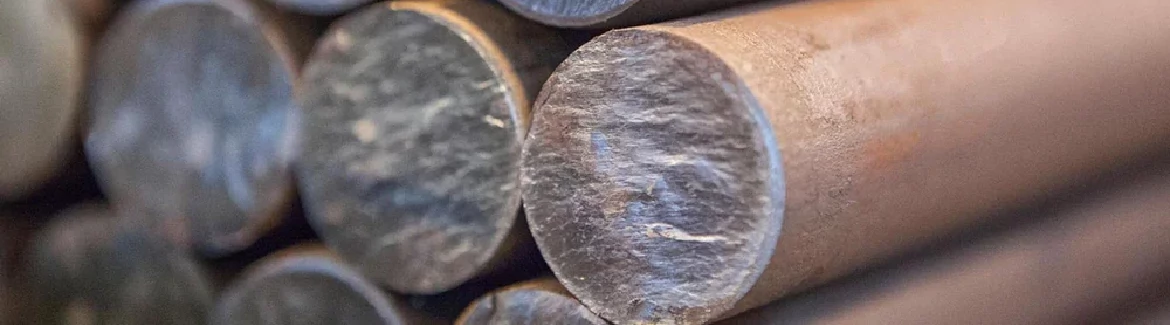
Image of 42CrMo4 round steel

The alloy of 42CrMo4 steel is carefully balanced to ensure optimal mechanical properties after heat treatment. The table below compares the typical limit values according to the EN 10083-3 standard and the characteristic values found in practice, indicating the role of the alloying elements.

Chemical Composition (typical values according to EN 10083-3 standard and values found in practice, %):

Element

EN 10083-3 Content (%)

Typical practical value (%)

Role

Carbon (C)

0.38 – 0.46

0.400

Fundamental strength and hardness-increasing element. The "42" in the steel's designation refers to the ~0.42% carbon content. The precise carbon content is critical for heat treatability (hardening, quenching and tempering).

Silicon (Si)

0.10 – 0.40

0.170

Acts as a deoxidizer during steelmaking, improves strength, elasticity, and increases the steel's hardenability.

Manganese (Mn)

0.60 – 0.90

0.770

Increases the steel's strength and hardness, improves hot workability and weldability. Helps stabilize sulfur, thereby reducing the tendency for hot cracking.

Phosphorus (P)

≤ 0.025

0.009

Impurity element that can increase the steel's cold brittleness. Its quantity is strictly limited to preserve mechanical properties (especially toughness).

Sulfur (S)

≤ 0.025

0.007

Impurity element that can reduce the steel's toughness, especially in the transverse direction, and can cause problems during welding. Its quantity is minimized, similar to Phosphorus.

Chromium (Cr)

0.90 – 1.20

0.990

The main alloying element for increasing hardenability and strength. Significantly increases the steel's hardening depth and strength after heat treatment. It also improves wear resistance and, to a certain extent, corrosion resistance.

Nickel (Ni)

≤ 0.30

0.100

Improves the steel's toughness, especially at low temperatures, and increases hardenability. Helps maintain toughness at higher strength levels.

Copper (Cu)

≤ 0.30

0.130

Slightly increases strength and corrosion resistance, but in larger quantities can negatively affect hot workability.

Molybdenum (Mo)

0.15 – 0.30

0.170

Enhances strength and hardness at high temperatures, and improves hardenability and resistance to temper embrittlement. Helps increase fatigue resistance and in grain refinement.

Aluminum (Al)

≥ 0.020

0.024

Strong deoxidizer, refines grain size, which improves impact resistance and toughness.

Iron (Fe)

Balance

Balance

The base material of the alloy.

3. Mechanical Properties and Heat Treatment Conditions

The mechanical properties of 42CrMo4 steel largely depend on the applied heat treatment. For hydraulic applications, it is generally supplied in two main heat treatment conditions, which guarantee the necessary strength and surface resistance. It is important to note that in the "original plain" (as-rolled or annealed) state, the material's properties would not be suitable for these demanding applications.

3.1. +QT (Quenched and Tempered) Condition

This is the most common delivery condition for 42CrMo4 steel, providing an optimal balance between strength, hardness, and toughness. The quenching and tempering process involves hardening (rapid cooling after austenitizing at high temperature), followed by tempering (reheating to a lower temperature, then slow cooling).

Typical mechanical properties (according to EN 10083-3, typical values depending on thickness):

Property

Range (typical)

Tensile Strength (Rm)

900 – 1100 MPa

Yield Strength (Rp0.2)

650 – 900 MPa

Elongation (A%)

10 – 16 %

Brinell Hardness (HB)

270 – 330 HB

Impact Strength (ISO-V, 20°C)

> 35 J

3.2. +QT+IH (Quenched and Tempered + Induction Hardened) Condition

This is the most ideal condition for hydraulic cylinder piston rods. In addition to the quenched and tempered (+QT) state, the rod surface is subjected to induction hardening. This process makes the surface extremely hard and wear-resistant, while the material's core retains the toughness and flexibility from quenching and tempering.

Typical mechanical and surface properties (based on industrial practice and specifications):

Property

Typical value

Note

Tensile Strength (Rm)

typically 1000-1200 MPa

Induction hardening primarily affects the surface; the tensile strength of the full cross-section comes from the quenching and tempering.

Yield Strength (Re)

typically 800-1100 MPa

High yield strength, which provides resistance to permanent deformation.

Elongation (A5%)

10 – 18 %

Good elongation despite high strength, which indicates toughness.

Impact Strength (Resilience, K)

excellent, even >80 J at -20°C

Excellent impact strength even at low temperatures, which is critical in dynamically loaded hydraulic systems.

Surface Hardness (Induction Hardness)

HRC50÷60

Extremely high surface hardness, providing excellent wear resistance. This value is the result of induction hardening.

Induction hardening depth

1.5 - 3 mm

Typical thickness of the surface-hardened layer.

Diameter tolerance

f7

Precision tolerance, which is essential for the proper functioning of hydraulic seals.

Straightness

max. 0.2 mm / mt

Excellent straightness, which minimizes piston rod play and seal wear.

Surface roughness

Ra 0.2 micron

Extremely smooth surface, which reduces friction, seal wear, and improves corrosion resistance (together with chrome plating).

Chromium layer thickness

20-30 µm

Typical thickness of the chromium layer providing corrosion resistance and surface hardness.

Chromium hardness

900-1100 HV

The extraordinary hardness of the chromium layer, which further increases wear resistance.

Corrosion resistance (ISO 9227 NSS)

minimum 200 hours, often R.9 level

Excellent resistance in the salt spray test, indicating the high corrosion protection capability of the chrome plating, crucial for the long-term operational safety of hydraulic systems.

3.3. "Non-Hardened" (Plain / Annealed / Normalized) Versions of 42CrMo4

42CrMo4 steel is rarely delivered or used as a final product without heat treatment, especially for hydraulic and pneumatic precision rods and tubes. This is because the desired high strength and hardness values can only be achieved through some form of heat treatment. Although in theory, they exist:

  • +AR (As-rolled): The steel is in the condition after hot rolling. Typically, strength and hardness parameters cannot be guaranteed within tight tolerances. May contain internal stresses.

  • +A (Annealed): A mild heat treatment aimed at softening the metal and improving its machinability. Significantly lower strength and hardness than the quenched and tempered state (typically 600-800 MPa tensile strength).

  • +N (Normalized): A heat treatment that refines the grain size and improves basic mechanical properties compared to the as-rolled state. However, its strength and hardness are lower than that of the quenched and tempered material (typically 700-900 MPa tensile strength).

The vast majority of hydraulic rods are made with a quenched and tempered, or quenched and tempered and induction hardened, chrome-plated surface to ensure durable and reliable operation.

4. Surface Treatment: Hard Chrome Plating

Image of 42CrMo4 round steel

For hydraulic rods made of 42CrMo4 steel, surface treatment, specifically hard chrome plating, is crucial. This process not only provides excellent corrosion resistance but also further increases the surface hardness and wear resistance.

  • Chromium layer thickness: A chromium layer thickness of 20-30 µm provides optimal protection against external environmental influences and mechanical stresses.

  • Chromium hardness: The typical value of 900-1100 HV (Vickers hardness) is extremely high, significantly contributing to the rod's wear resistance and lifespan.

  • Corrosion resistance: Chrome-plated surfaces show excellent resistance to salt spray tests (according to ISO 9227 NSS), often for a minimum of 200 hours, which indicates the high corrosion protection capability of the chrome coating. This is essential for the long-term operational safety of hydraulic systems in wet or corrosive environments.

5. Application Areas

Image of 42CrMo4 round steel

42CrMo4 steel, and especially its quenched, tempered, induction-hardened, and chrome-plated versions, are widely used in hydraulics and pneumatics, as well as in other industries where outstanding mechanical properties are required:

  • Piston rods for hydraulic cylinders: The most important application area, where high strength, surface hardness, wear resistance, and corrosion protection are essential.

  • Linear motion systems: Guide rails, columns, shafts, where precise movement and wear resistance are critical.

  • Agricultural and construction machinery: High-load components, hydraulic components.

  • Mechanical engineering components: Shafts, gears, transmission parts, where fatigue strength and hardness are important.

  • Pneumatic systems: Piston rods for larger, more robust pneumatic cylinders.

6. Machinability

Image of 42CrMo4 round steel

The machinability of 42CrMo4 steel depends on its heat treatment condition.

  • In +QT (Quenched and Tempered) condition: The steel shows good machinability, although due to its higher hardness, carbide tools and appropriate machining parameters are necessary. Good chip removal and cooling are important.

  • In +QT+IH (Induction Hardened) condition: The surface is extremely hard (HRC 50-60), so traditional machining is only possible after removing the induction-hardened layer. Machining the surface (e.g., grinding, honing) requires special procedures to achieve the desired surface roughness and dimensional accuracy, especially because of the chrome-plated layer.

7. Sustainability

Image of 42CrMo4 round steel

42CrMo4 steel, like all steel products, is 100% recyclable. This contributes to the conservation of resources and the reduction of environmental impact. The chrome coating can be removed with appropriate recycling processes, ensuring the material's return to the circular economy. The long service life of the material in hydraulic systems also reduces the need for frequent replacements and thus the ecological footprint.

Get Your 42CrMo4 Alloy Steel Rods from the Hydraulics Specialist Store!

42CrMo4 alloy steels, especially quenched, tempered, induction-hardened, and chrome-plated rods, are the cornerstones of hydraulic and pneumatic systems where durability, strength, and corrosion resistance are vital. Whether it's a piston rod or other high-performance component, 42CrMo4 ensures long-term, reliable operation even under the most extreme conditions.

Don't let the wrong material choice compromise your systems' performance! Visit our webshop at hidraulikaszakuzlet.hu and discover the wide selection of 42CrMo4 rods! As a reliable hydraulics specialist store, our expert team in Budapest (in person) and online is ready to help you choose the hydraulic components that best suit your needs, with guaranteed quality, and available with the relevant manufacturer's certificate.

Click here to view our range of 42CrMo4 alloy steels, and ensure the long-term, flawless operation of your systems:

or contact us today!


Labels attached to the content: Anyagismeret Csövek és rudak

Related contents